Operation FlutterBridge: The Evolution of macOS Malvertising via the FlutterShell Backdoor
The macOS threat landscape is undergoing a tactical shift as threat actors pivot from simple adware to sophisticated, modular backdoors. A new campaign, dubbed Operation FlutterBridge, is currently leveraging large-scale malvertising to distribute a highly flexible backdoor known as FlutterShell. This operation, attributed to the threat cluster CL-CRI-1089, represents a significant escalation in technical complexity compared to its predecessor, the JSCoreRunner malware observed in mid-2025.
While previous iterations of this cluster focused on low-level ad fraud, FlutterShell introduces full-scale remote access capabilities. According to a technical report from Palo Alto Networks Unit 42, the attackers are utilizing the vast reach of Google Ads infrastructure to target users in English-speaking and Western European regions.
Sophisticated Delivery via Malvertising
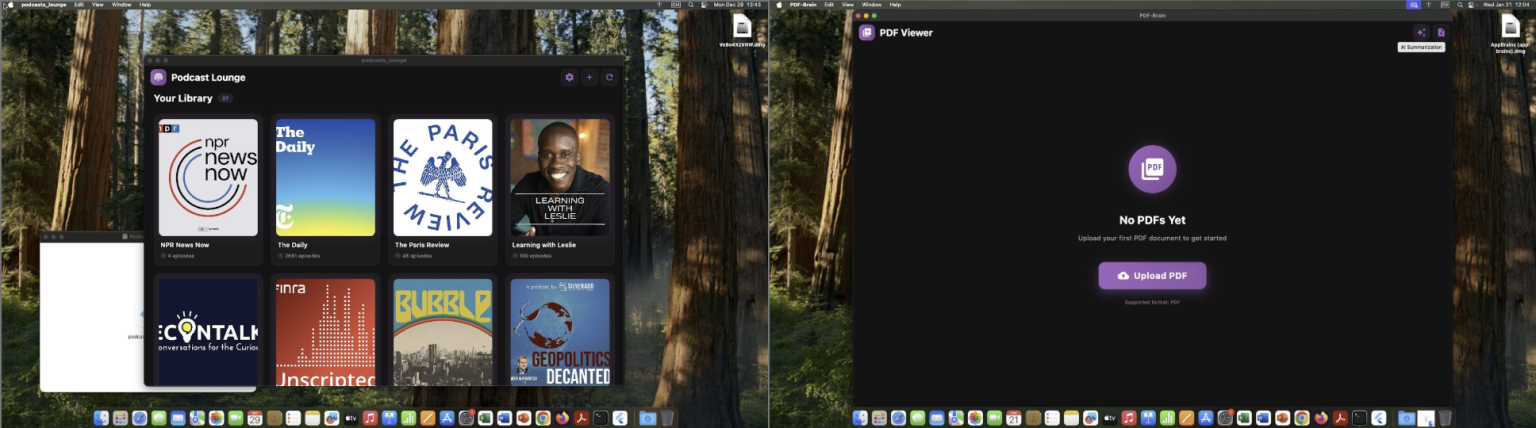
The campaign’s entry vector is highly deceptive. Attackers utilize a network of Google-verified advertiser accounts—often registered through shell companies like AdsParkPro LTD and Advantage Web Marketing LLC—to deploy hundreds of malicious advertisements. These ads redirect unsuspecting users to professional-looking landing pages that host trojanized macOS applications. These payloads are often disguised as legitimate productivity tools, such as PodcastsLounge, PDF-Brain, or PDF-Ninja.
To bypass modern security scrutiny, these malicious binaries are signed with valid Apple Developer IDs, allowing them to pass through Apple’s notarization process. This level of preparation explains why some early samples initially returned zero detections on major security scanning platforms.
Technical Deep Dive: The Flutter & WebView Architecture
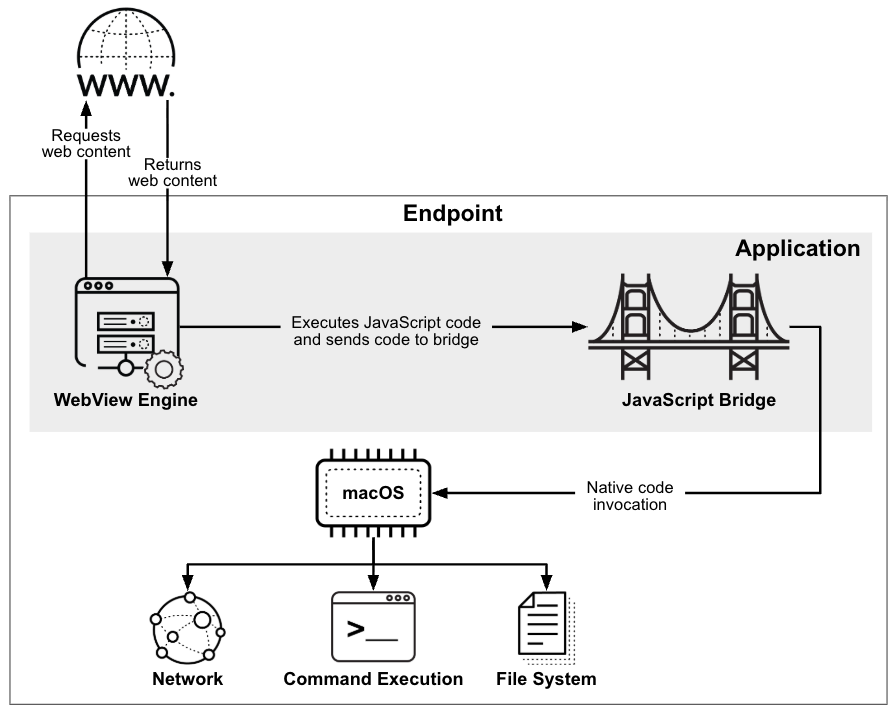
What distinguishes FlutterShell from traditional malware is its modular, framework-driven architecture. The malware is built using the Flutter framework and utilizes a WebView-based design integrated with a JavaScript-to-native bridge. This architectural choice provides two distinct advantages for the attacker:
- Dynamic Payload Loading: Instead of embedding malicious logic directly into the binary (which would make it easier for static analysis to flag), the malware loads its core logic dynamically from remote, attacker-controlled servers.
- Real-time Mutation: Threat actors can modify the malware’s behavior, command set, or appearance in real time via JSON configuration files (retrieved through endpoints like
/getConfig) without needing to redistribute a new version of the application.
Once the initial infection is established, FlutterShell functions as a versatile backdoor. It can execute arbitrary shell commands, traverse the local file system, and exfiltrate sensitive environment variables. Simultaneously, it performs “dual-purpose” monetization by hijacking Google Chrome’s Secure Preferences file, redirecting searches and new tabs to attacker-controlled domains to drive ad revenue.
AI Exploitation and Data Exfiltration
In a particularly devious move, newer variants have begun abusing AI summarization features. When a user attempts to summarize a document, the malware intercepts the data, routes it through the attacker’s infrastructure for silent exfiltration, and only then forwards it to a legitimate AI service. This “man-in-the-middle” approach to AI functionality allows the malware to remain virtually invisible to the user while harvesting sensitive information.
Cross-Platform Implications
The discovery of FlutterShell suggests that the CL-CRI-1089 cluster is pursuing a unified, cross-platform strategy. Researchers have found strong links between this macOS backdoor and Windows-based malware families such as RecipeLister and Calendaromatic. The common thread is the shared WebView-driven architecture and the use of the same shell companies to sign and distribute malicious payloads across different operating systems.

The rise of FlutterShell marks a significant challenge for macOS defenders. The trend toward decoupling core logic from the binary and delivering it dynamically via framework-based architectures requires a shift toward more robust behavioral analysis and real-time monitoring of network-to-native bridge activity.