The Evolution of Phishing: Encrypted Channels and Real-Time Account Takeover
Phishing campaigns are undergoing a sophisticated structural shift. Threat actors are moving away from legacy SMS-based delivery and static credential harvesting in favor of highly interactive, encrypted messaging channels and real-time account takeover (ATO) frameworks. This transition represents a move from simple deception to complex, automated exploitation chains.
Unlike traditional SMS, which relies on cellular signaling protocols susceptible to carrier-level filtering, RCS (Rich Communication Services) and iMessage operate over IP-based data networks. Because these protocols utilize end-to-end encryption (E2EE), telecommunications providers face significant technical hurdles in inspecting or intercepting malicious payloads without compromising user privacy. Attackers are actively exploiting this “blind spot,” leveraging the enhanced UX features of these platforms—such as read receipts, high-resolution media, and verified sender branding—to establish a false sense of legitimacy.
This evolution allows for the creation of highly convincing lures that mimic the digital presence of financial institutions, e-commerce giants, and digital wallets. Because users inherently trust the “blue bubble” or rich-media interface of modern messaging apps, they are significantly more likely to interact with embedded malicious links, inadvertently initiating a sophisticated credential theft workflow.
A critical advancement in the modern Phishing-as-a-Service (PhaaS) ecosystem is the departure from static landing pages toward live interaction models. In these scenarios, the attack is no longer an asynchronous event. Once a victim inputs their credentials, the data is streamed in real-time to an attacker-controlled administrative panel. The adversary then immediately triggers a legitimate One-Time Passcode (OTP) request from the actual service provider. By tricking the victim into entering this code into the phishing interface, the attacker intercepts the MFA token mid-stream.
This real-time interception allows for the near-instantaneous bypass of Multi-Factor Authentication (MFA). Modern threat actors have moved beyond mere credential theft; their primary objectives are now the capture of session tokens or the unauthorized provisioning of payment cards into attacker-controlled digital wallets.
According to the Google Threat Intelligence Group (GTIG), a rapidly expanding Chinese-language PhaaS ecosystem is currently weaponizing RCS and iMessage to circumvent telecom-level security filters, dramatically increasing the conversion rates of social engineering attacks.
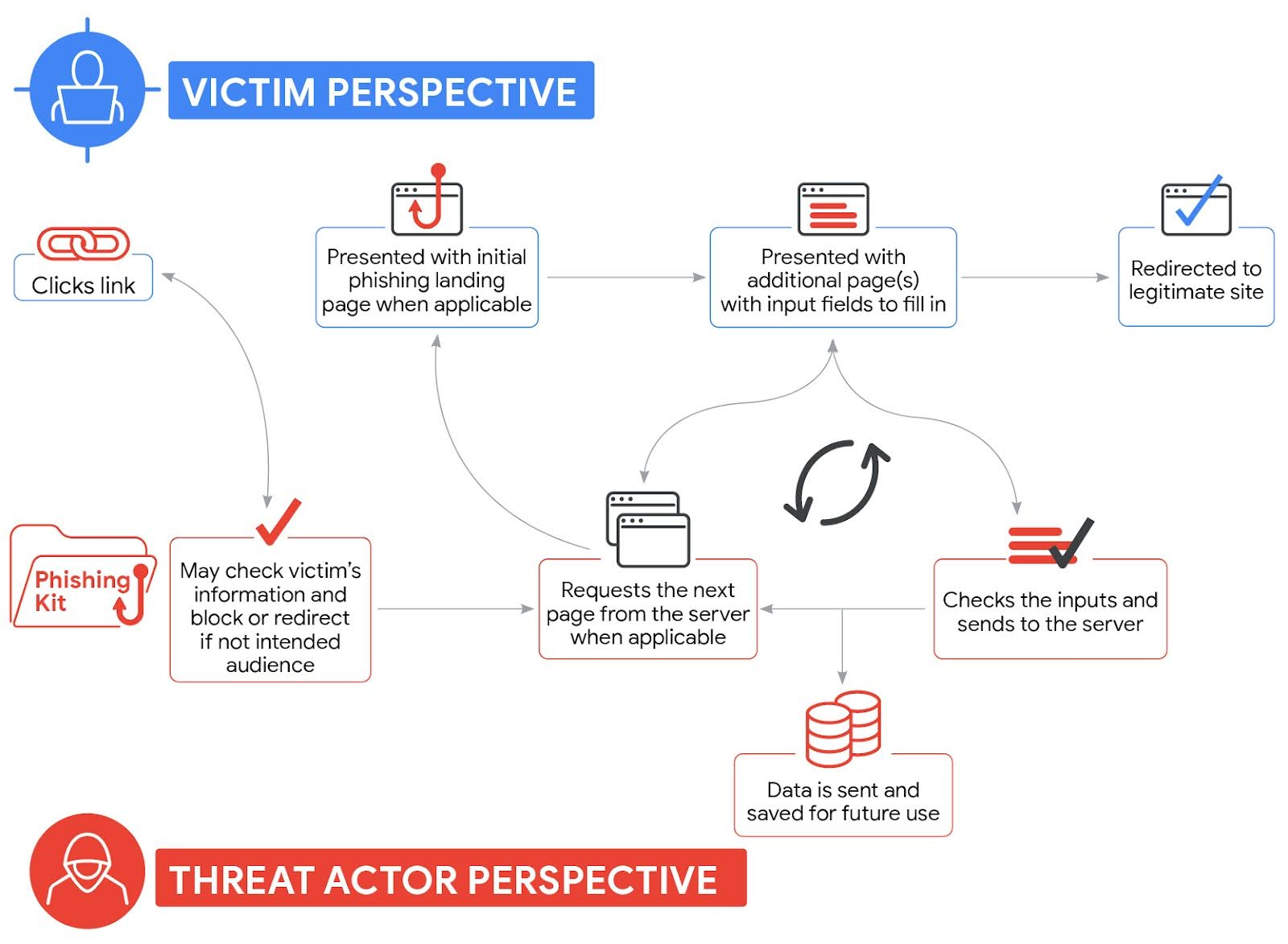
This sophisticated process effectively converts stolen credit card data into tokenized digital assets, which can be utilized for frictionless contactless payments or high-value fraudulent transactions.
Exploiting the Trust of RCS and iMessage
GTIG’s research indicates that these PhaaS platforms are not merely clones of existing Russian-speaking cybercrime models; they constitute a distinct, mature, and highly professionalized ecosystem. These services are frequently advertised via Telegram and operate as full-stack criminal suites, often bundling phishing templates with VPS hosting, domain registration, and money laundering infrastructure.
Interestingly, these campaigns are frequently designed to target users outside of China, with a strategic focus on North America, Europe, and Japan. Platforms such as YY Lai Yu exhibit advanced localization capabilities, providing hundreds of bespoke templates engineered to match the specific branding, linguistic nuances, and consumer behaviors of different target regions.
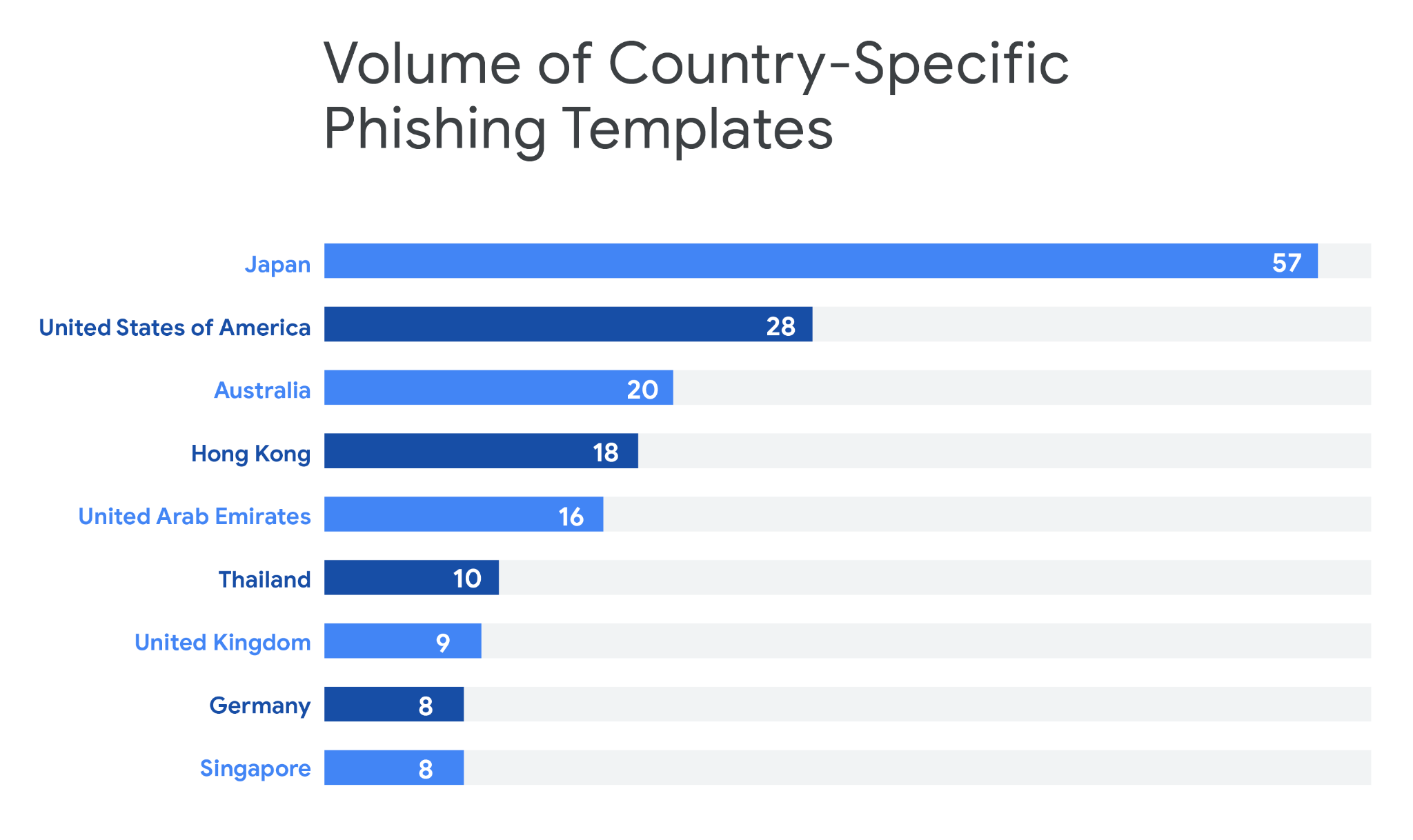
For instance, attackers targeting the Japanese market utilize culturally specific lures, such as loyalty point redemptions and utility subsidies, specifically mimicking popular services like PayPay or Rakuten. This level of cultural awareness drastically improves engagement metrics.
Furthermore, the integration of Artificial Intelligence is revolutionizing phishing scalability. Platforms like Darcula leverage AI-driven tools to perform real-time website cloning. By dynamically replicating the HTML, CSS, and JavaScript of a legitimate target URL, these tools generate unique, ephemeral phishing pages that effectively evade traditional signature-based detection and reputation-based security engines.
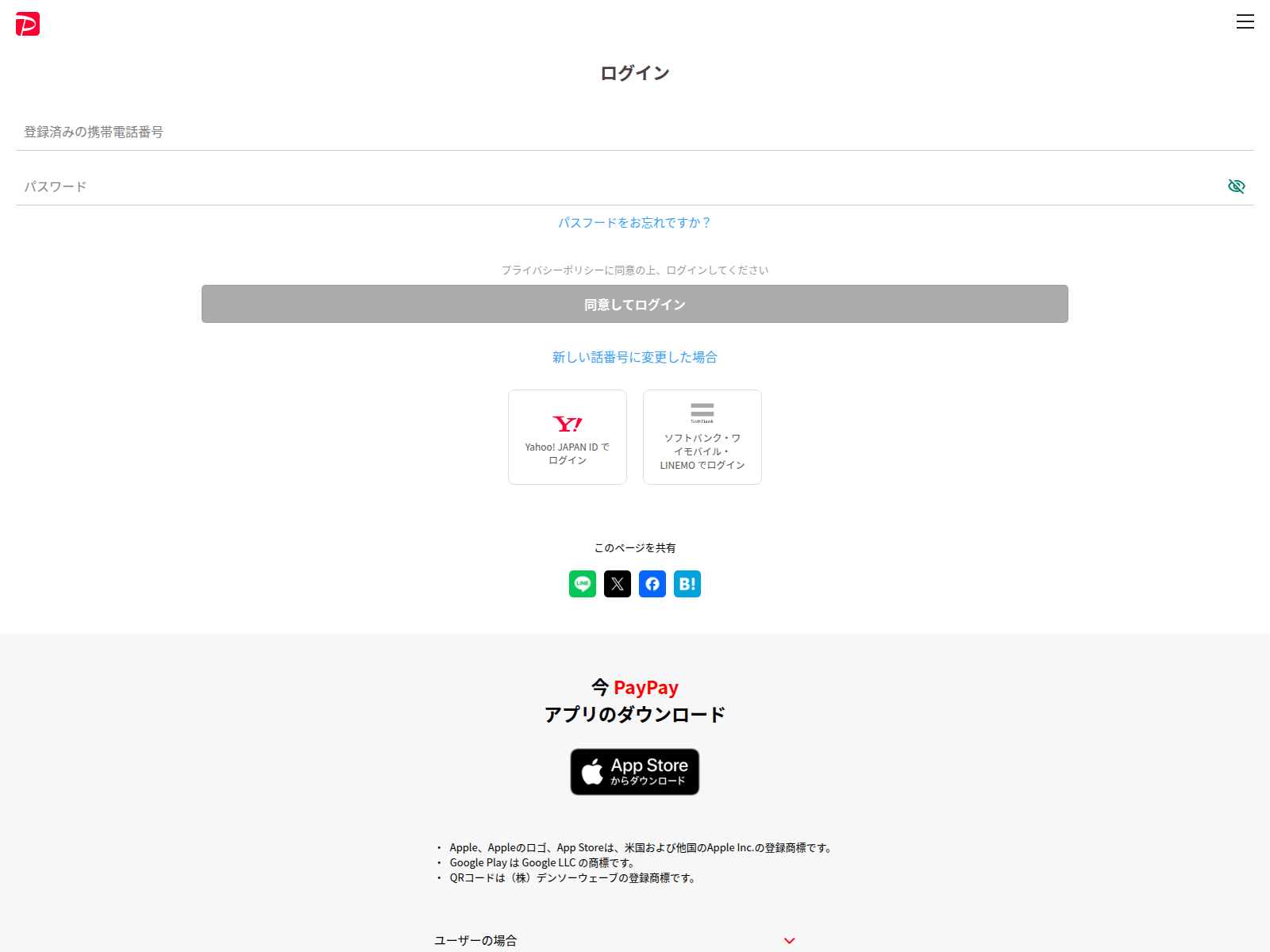
To add another layer of stealth, many modern phishing sites implement anti-bot mechanisms, including manual verification steps, to prevent automated security crawlers from identifying and flagging the malicious URL. This creates a significant hurdle for automated takedown efforts.
Defensive Strategies and Mitigation
The rise of encrypted, real-time phishing underscores a hard truth: traditional perimeter defenses and basic user awareness training are no longer sufficient against highly interactive, localized attack chains. As phishing infrastructure becomes more automated and globally scalable, the defensive focus must shift from detection to inherent prevention.
Security professionals recommend a transition toward phishing-resistant authentication standards, such as FIDO2 or WebAuthn. These protocols utilize public-key cryptography to bind the authentication to the specific origin, making it impossible for an attacker to use an intercepted OTP or token on a different domain. Additionally, financial institutions should prioritize implementing robust device fingerprinting and risk-based verification during the digital wallet provisioning process to mitigate the risk of unauthorized card tokenization.
Ultimately, the goal is to build a technical environment where, even in the event of a successful social engineering attempt, the stolen credentials remain functionally useless to the adversary.