Evolution of Void Dokkaebi: Leveraging Cython to Obfuscate InvisibleFerret Malware
The North Korean-linked threat actor known as Void Dokkaebi (also identified as Famous Chollima) has significantly evolved its technical arsenal. In a strategic move to bypass traditional security perimeters, the group has transitioned its InvisibleFerret malware from readable, plain-text Python scripts into sophisticated, compiled binary modules.
Historically, InvisibleFerret was deployed as standard Python scripts. While functional, this format left the malware highly vulnerable to static analysis and signature-based detection tools, which can easily parse the logic of an uncompiled script. To counter this, the threat group is now utilizing Cython—a language that translates Python code into C/C++—to produce native binaries. This transformation effectively hides the underlying logic from many legacy defense mechanisms that are optimized for scanning text-based scripts rather than compiled extensions.
Despite this increased layer of obfuscation, the malware’s core mission remains unchanged. It continues to serve as a high-impact toolkit for backdoor access, browser credential theft, clipboard monitoring, keylogging, and the targeted exploitation of cryptocurrency wallets. This makes the campaign particularly lethal for software developers and organizations managing sensitive assets like code-signing keys, CI/CD pipelines, and digital asset credentials.
The Multi-Stage Infection Chain
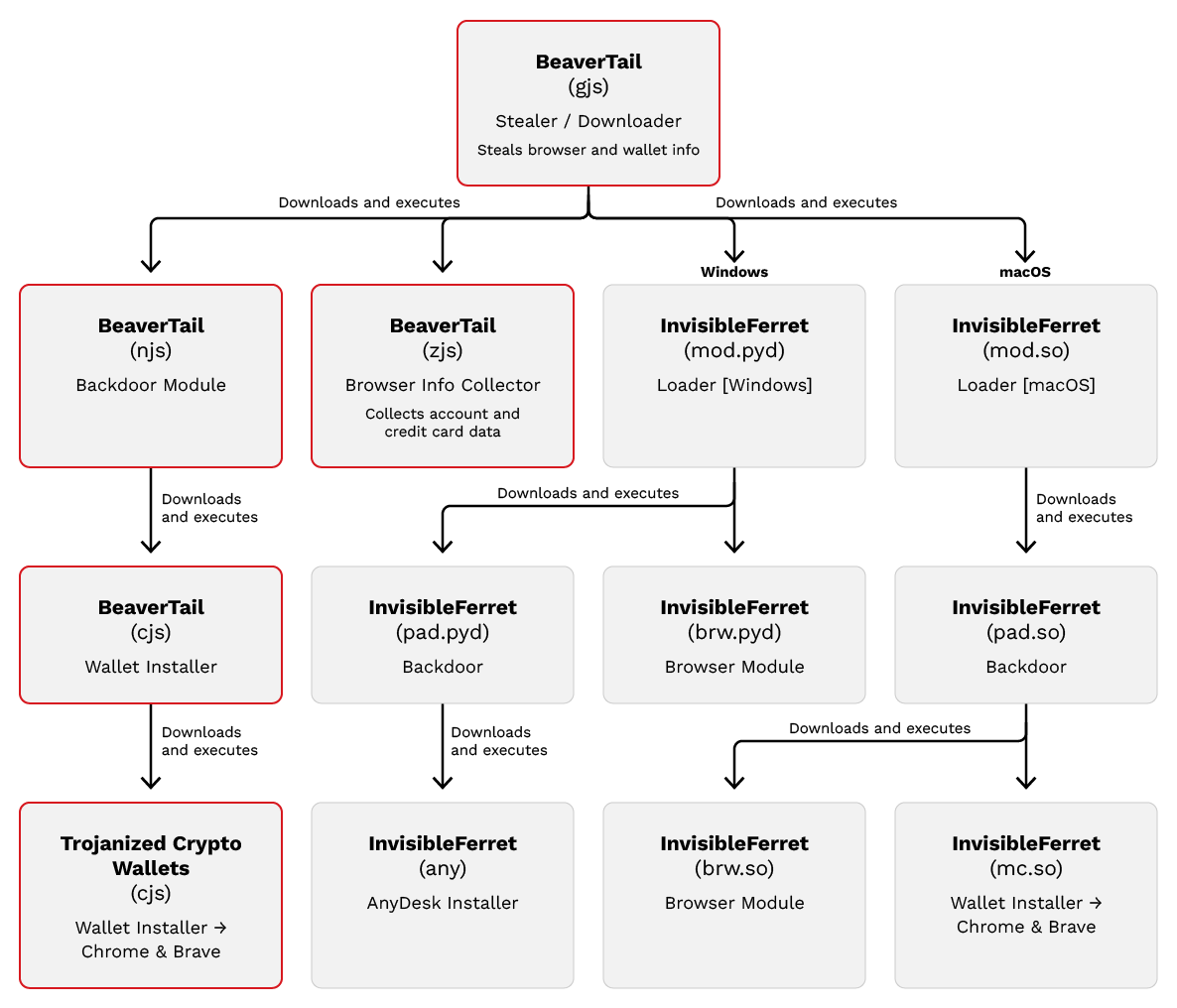
The attack vector is highly coordinated and cross-platform, typically initiated through social engineering. Void Dokkaebi often targets developers using fraudulent job interview lures, enticing victims to clone and execute malicious repositories. Once the user interacts with the repository, the infection chain kicks off with a JavaScript-based loader known as BeaverTail.
BeaverTail has undergone its own metamorphosis. Originally a simple downloader and information stealer, it has evolved into a complex, multi-stage malware platform with capabilities that now overlap significantly with InvisibleFerret. As noted in a report by Trend Micro, the group now distributes payloads as .pyd files on Windows and .so files on macOS. These are Python extension modules rather than standalone executables, meaning they require a Python interpreter to run, which allows them to blend into legitimate development environments.
Technical Deep Dive: Binary Obfuscation and Execution
The execution model is intentionally layered to complicate forensic analysis. BeaverTail downloads the Cython-compiled payloads and generates a Python execution script—often utilizing a .mod extension—to load the modules. This forces security tools to monitor not just the binary itself, but the interaction between the runtime script and the compiled module.
To further frustrate investigators, updated BeaverTail variants utilize advanced obfuscation techniques, including:
- Shuffled Base64 arrays to hide encoded strings.
- XOR encryption for payload masking.
- Split-and-swap encoding for Command-and-Control (C2) infrastructure.
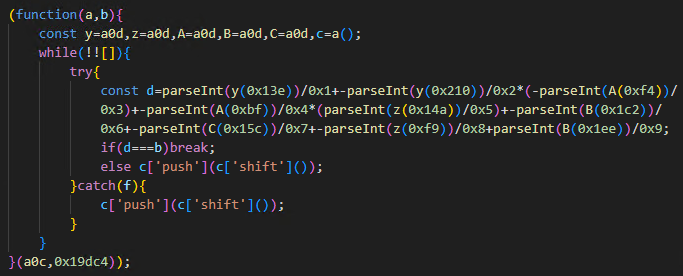
In some sophisticated instances, C2 details are not hardcoded within the binary at all; instead, they are passed dynamically via command-line arguments from the execution script. This makes it exceptionally difficult to extract static Indicators of Compromise (IoCs) like IP addresses or domains during initial triage.
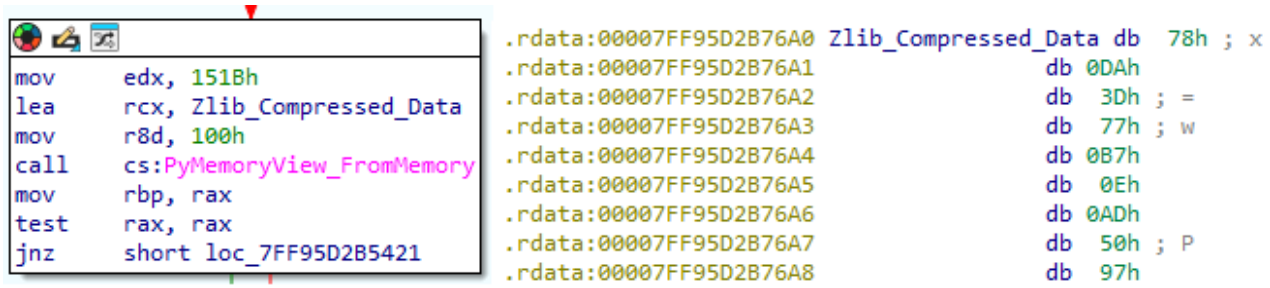
Even within the compiled binaries, traces of the original Python logic persist. Analysts have found that the attackers embed compressed data segments within the modules. By extracting and decompressing these Zlib-compressed segments, researchers can recover the original Python routines, which still rely on layered Base64 and XOR decryption.
Expanding the Target: Cryptocurrency and Browser Exploitation
The modular nature of InvisibleFerret allows for rapid expansion of its theft capabilities. While earlier versions focused heavily on MetaMask, newer iterations have expanded to target Coinbase Wallet and Phantom. On macOS systems, the malware has been observed attempting to downgrade Google Chrome versions. This tactical move is designed to bypass modern browser security restrictions, facilitating the installation and execution of malicious extensions.
Defensive Implications
The shift toward Cython-based binaries exposes a critical vulnerability in modern security stacks: the reliance on script-level detection. Because these threats operate within the realm of compiled extension modules, traditional “text-scanning” approaches are increasingly ineffective.
While the use of Cython does not render the malware invisible—forensic artifacts such as module initialization functions and embedded file paths remain present—it does raise the bar for investigation, requiring much deeper binary analysis. To defend against this evolving threat, organizations must:
- Implement Binary-Aware Detection: Move beyond script scanning to monitor for suspicious compiled extension modules (
.pyd,.so). - Monitor Developer Environments: Strictly control the execution of untrusted code and monitor for unusual Python runtime behavior.
- Harden Browser Security: Monitor for unauthorized browser version changes or the unexpected installation of extensions.
As Void Dokkaebi continues to refine its ability to blend into legitimate development workflows, the sophistication of software supply chain attacks will only continue to grow.