The Evolution of k0to: From KuinaExtractor Prototype to Hardened Rust-Based Infostealer
Security researchers have identified a sophisticated lineage of Rust-based malware, originally operating under the moniker KuinaExtractor and recently rebranded as “k0to.” Far from being a static piece of malware, analysis of dozens of unique samples and granular code comparisons suggests a highly disciplined, single-operator development cycle. Rather than chasing superficial new capabilities, the developer has focused on “hardening”—systematically improving stealth, evasion, and operational reliability.
Attribution signals point toward a Vietnamese-speaking developer utilizing Vietnam-hosted infrastructure. This conclusion is supported by recurring technical artifacts, including shared mutex names, specific build-host file paths, consistent Telegram handles, and the presence of Vietnamese-language strings within the binary code.
Phase 1: The Foundational Prototype (December 2025)
The earliest iterations of KuinaExtractor, observed in late 2025, established a robust foundation for credential theft. The malware’s initial payload was broad in scope, targeting browser cookies, cryptocurrency wallet artifacts, Windows Credential Manager data, and session tokens for high-value platforms like Roblox, Steam, and Discord.
One of the more technically impressive features in this early stage was a sophisticated bypass for Chrome’s App-Bound Encryption (ABE). By impersonating the Local Security Authority Subsystem Service (LSASS), the malware successfully recovered master keys to decrypt sensitive browser data. During this period, exfiltration was primarily handled via Discord webhooks, and privilege escalation relied on well-known UAC bypasses via fodhelper.exe or ms-settings.exe. Interestingly, the actor utilized GitHub Actions as ephemeral, throwaway infrastructure for hosting and command-and-control (C2) activities.
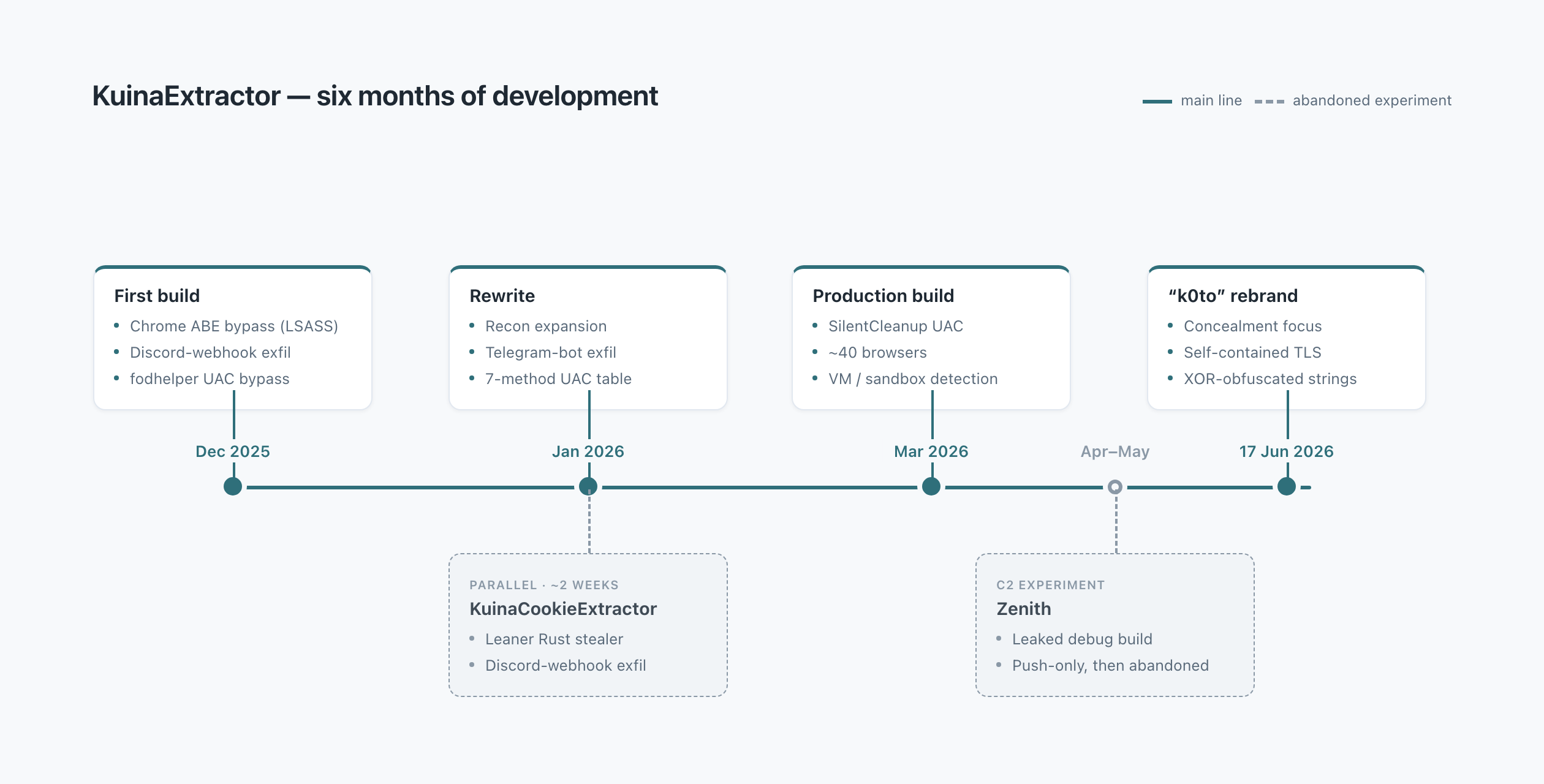
Figure 1: The six-month developmental trajectory of KuinaExtractor (Source: Threatray).
Phase 2: Modularization and Reconnaissance (January 2026)
As detailed in Threatray’s technical analysis, a rapid code rewrite in January 2026 marked a shift toward professional-grade modularity. The malware introduced extensive reconnaissance capabilities, including WMIC-based hardware enumeration, Wi-Fi SSID harvesting, and more comprehensive Windows Credential Manager dumps.
The developer also upgraded the escalation logic, replacing single-path bypasses with a function-pointer table that could cycle through seven different UAC escalation methods. Concurrently, the exfiltration architecture migrated from Discord webhooks to a dedicated Telegram bot, signaling a move toward more controlled and stealthy C2 channels.
Phase 3: Production-Grade Hardening (March 2026)
By March, the malware had converged into a stable, production-ready build. The core theft engine was updated to support modern Chrome versions by extending the LSASS/ABE chain with ChaCha20-Poly1305 encryption. The target list expanded to approximately 40 different browsers, specifically including the Vietnamese-centric CocCoc browser.
To combat automated analysis, the actor implemented advanced anti-sandbox and anti-VM checks. The UAC bypass method was further refined to use the SilentCleanup technique, and the malware demonstrated significant longevity in the wild, maintaining active deployment well into the spring.
Phase 4: The Rebrand to “k0to” (June 2026)
On June 17, the operator officially rebranded the family as “k0to,” pivoting heavily toward total concealment. This iteration features a highly customized network stack, utilizing reqwest over hyper with rustls. By shipping its own Certificate Authority (CA) roots, the malware bypasses the host system’s TLS store, effectively neutralizing many traditional network inspection tools.
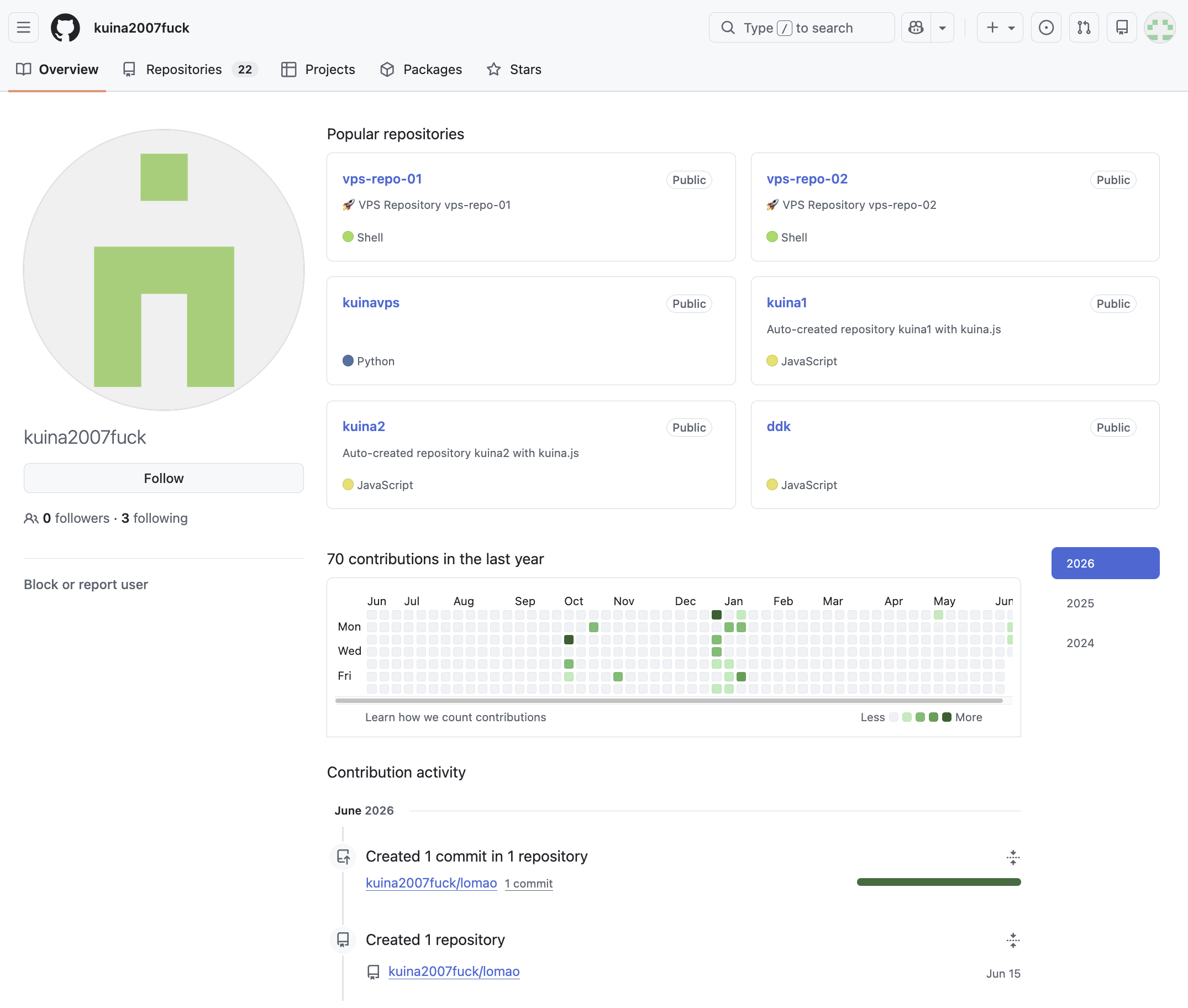
Figure 2: The technical evolution toward k0to (Source: Threatray).
Further obfuscation techniques include:
- String Obfuscation: Critical data, including the Telegram C2 URL, is hidden using a 28-byte XOR key.
- Analyst Detection: A novel sandbox check scans active PowerShell window titles for common forensic and analyst tools.
- One-Way Exfiltration: The Telegram channel was converted to a “push-only” mode. The malware uploads stolen files without polling for commands, drastically reducing the network footprint and making bidirectional detection much harder.
Experimental Branches and Summary
The development history also shows brief, experimental side-projects. The KuinaCookieExtractor (January) was a lightweight variant targeting gaming and messaging credentials like Minecraft and FileZilla, though it lacked the advanced evasion of the main branch. Similarly, the Zenith C2 experiment (April/May) was quickly abandoned after a debug build inadvertently exposed a management panel on a Vietnamese-hosted IP.
Conclusion for Defenders: The evolution of k0to represents a maturing threat actor. Organizations should prioritize monitoring for unusual LSASS access patterns, anomalous TLS traffic that bypasses system root stores, and the specific signatures of Rust-based exfiltration frameworks. The move toward “push-only” C2 channels via Telegram marks a significant challenge for traditional endpoint and network detection logic.