Unpacking “IronWorm”: The Self-Propagating Rust-Based npm Supply Chain Worm
A sophisticated new supply chain threat, dubbed “IronWorm” has emerged, targeting the very tools developers rely on to build and deploy software. Unlike standard malware, IronWorm functions as a self-propagating worm, leveraging malicious npm packages to compromise local environments, harvest high-value credentials, and autonomously infect entire repositories.
The campaign specifically zeroes in on the Web3 and cryptocurrency ecosystems. In these sectors, the “blast radius” of a compromised secret—such as a private key or seed phrase—translates directly into immediate financial loss.
Technical Anatomy: Evasion and Execution
The attack vector was first identified through anomalous patterns in the npm registry, where several packages were republished within tight time windows. Each package contained a malicious native binary tucked away in a tools directory, triggered automatically via an npm preinstall hook. This ensures that the moment a developer runs npm install, the payload executes without any manual user intervention.
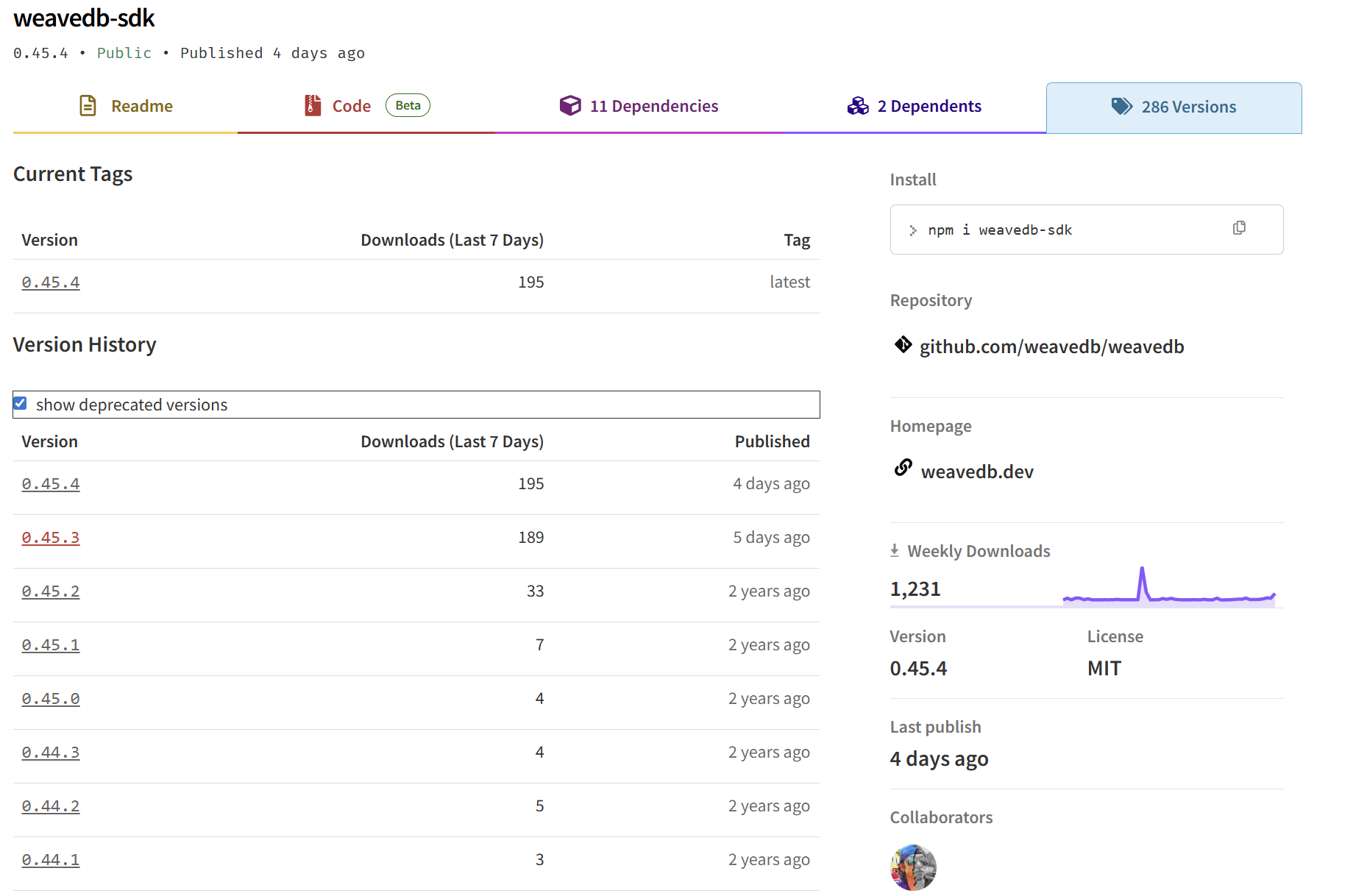
A prime example is the weavedb-sdk (version 0.45.3) package. Upon analysis, researchers discovered a Linux ELF binary protected by a modified UPX (Ultimate Packer for eXecutables) stub. This modification was a deliberate attempt to bypass standard automated unpacking tools. By manually restoring the original UPX signature, security analysts were able to unpack the payload, revealing a complex, Rust-based core.
The choice of Rust is a strategic defensive maneuver. Rust’s extensive runtime and highly abstracted compiled output significantly raise the barrier for reverse engineers. Furthermore, the attackers implemented a layer of string obfuscation where every meaningful string is encrypted with a unique key per call site, forcing analysts to decrypt every single piece of operational data individually.
Capabilities: From Infostealer to Propagation Engine
Once the execution layer is bypassed, IronWorm functions as a multi-purpose engine. It is both a high-velocity infostealer and a sophisticated lateral movement tool. It scans for over 80 environment variables and a wide array of credential files, targeting everything from traditional cloud provider keys (AWS/GCP) to modern AI service configurations and CI/CD pipeline secrets.
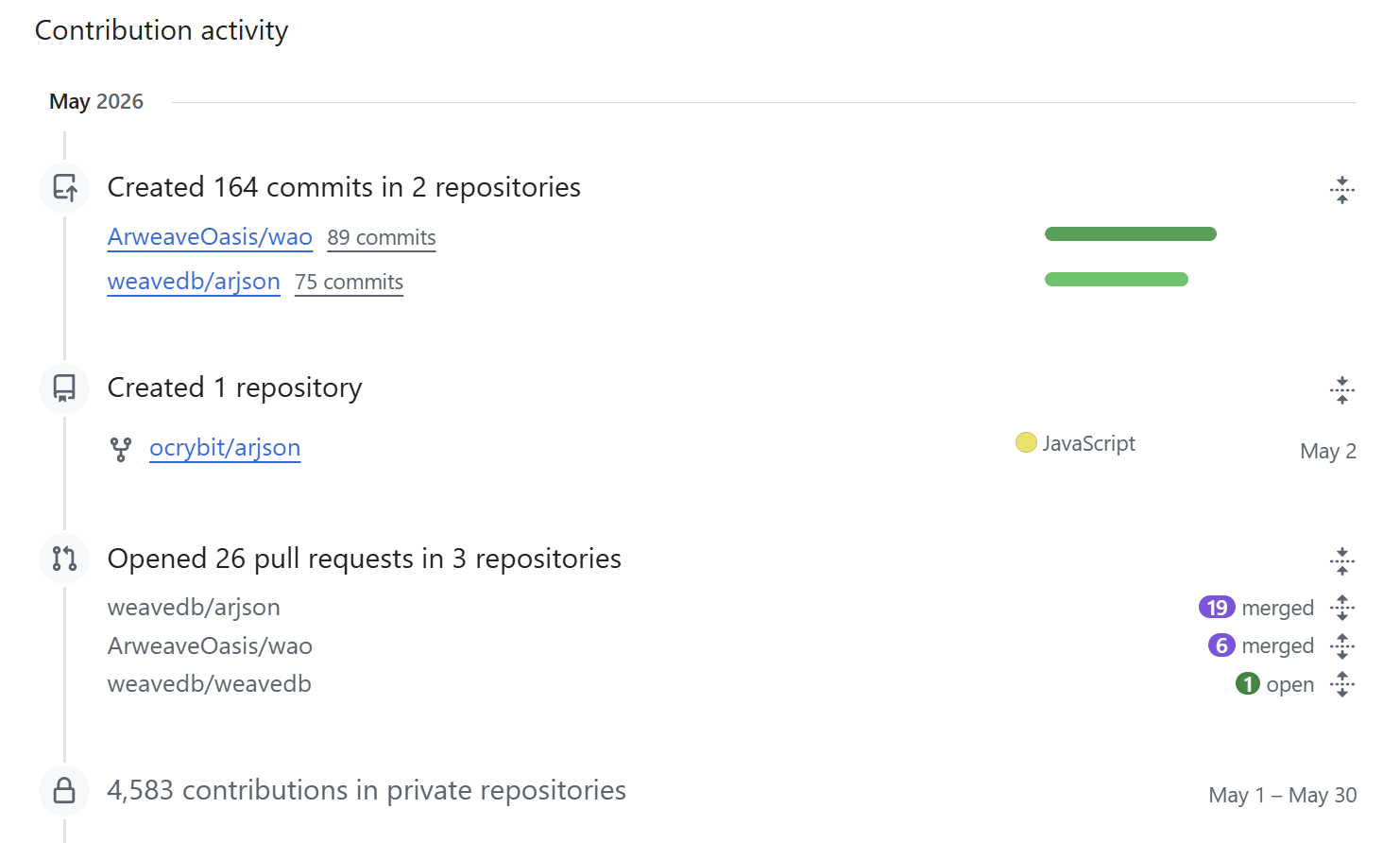
According to a detailed report by JFrog, the initial infection originated from npm packages published by the “asteroiddao” account, which is linked to the Arweave ecosystem. Beyond general credentials, the malware contains specialized modules designed to target Exodus cryptocurrency wallets by injecting malicious JavaScript to scrape recovery phrases.
What truly sets IronWorm apart is its worm-like propagation. The malware doesn’t just sit on a machine; it hunts for GitHub credentials to move deeper into the SDLC (Software Development Life Cycle). Using stolen credentials, it injects malicious commits into accessible repositories. These commits perform one of two actions:
- Introducing build-time execution hooks into the build process.
- Replacing existing GitHub Actions workflows with “secret-harvesting” pipelines.
In one particularly clever technique, the malware serializes repository secrets using GitHub Actions expressions and exfiltrates them as build artifacts. This allows the attackers to steal data without ever initiating a direct outbound connection to a suspicious Command & Control (C2) server, effectively bypassing many network-level detection rules.
Advanced Stealth and Evasion Tactics
The attackers demonstrated a high level of operational security (OPSEC) by blending their activity into the background noise of legitimate development. They utilized Git’s timestamping flexibility to backdate commits, making malicious changes appear years old. They also spoofed identities, mimicking automation bots like dependabot or common developer names to avoid scrutiny.
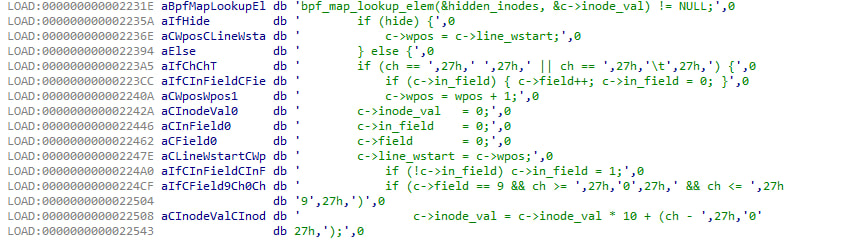
IronWorm’s technical depth is further evidenced by its use of eBPF (extended Berkeley Packet Filter). The malware carries a compiled BPF object, which it uses to deploy a kernel-level rootkit. This rootkit allows the malware to:
- Hide its own processes from the system process list.
- Mask malicious network connections.
- Interfere with kernel-level telemetry to thwart debugging.
Note that these stealth capabilities are somewhat mitigated on systems where kernel lockdown is strictly enforced.
The malware also exploits npm’s Trusted Publishing mechanism. In CI/CD environments, IronWorm can request an OIDC token to exchange for short-lived npm publishing tokens. This allows the malware to push “official” trojanized updates to the registry without ever needing to store long-term, high-risk credentials.
C2 Infrastructure and Human Error
For Command and Control, IronWorm leverages the Tor network. By embedding a Tor client directly within the malware, the attackers ensure their traffic is anonymized and difficult to trace. The C2 protocol supports a variety of commands, including data exfiltration, remote shell access, and secondary payload delivery via public file-sharing services tunneled through Tor.
Despite its technical sophistication, the campaign was not without flaws. Analysts discovered a hardcoded cryptocurrency wallet recovery phrase within the binary. Interestingly, this phrase was excluded from the exfiltration routine, suggesting it belongs to the operators themselves. This single oversight provides a critical lead for attribution and forensic investigation.
While most identified malicious packages and commits have been purged from GitHub and npm, the campaign serves as a stark reminder of the increasing automation and complexity in modern supply chain warfare. The era of the self-replicating, highly-targeted developer worm has arrived.