Analyzing the AryStinger Botnet: Exploitation of Legacy Edge Infrastructure
Security researchers have identified a sophisticated new botnet family, AryStinger, which specifically targets the “forgotten” layers of the network: aging routers and Network Attached Storage (NAS) appliances. Rather than seeking immediate high-value data, AryStinger focuses on building a resilient, stealthy reconnaissance and relay infrastructure. By hijacking these edge devices, attackers can effectively obscure their true origin while extending their lateral reach into protected internal environments.
The botnet operates through two distinct architectural branches tailored to the target hardware. The first targets RTL819X-based routers using lightweight C binaries designed for resource-constrained environments. The second, dubbed the “Standard” branch, is a more robust implementation written in Go, specifically targeting NAS devices. This Go-based variant expands the botnet’s operational ceiling, enabling advanced features like multi-type scanning, integrated intranet reconnaissance via tools like Fscan and Ksubdomain, and the ability to execute script-level payloads across various languages, including Java and Python.
At its core, AryStinger utilizes a disciplined Controller/Executor model. Upon initial infection, each device authenticates with a Command and Control (C2) server to receive a unique “Executor ID.” This ID allows the C2 to manage a massive, distributed task queue, sharding operations such as DNS brute-forcing, IP sweeps, and HTTP “alive” checks across thousands of unique nodes.
Technical Communication and Obfuscation
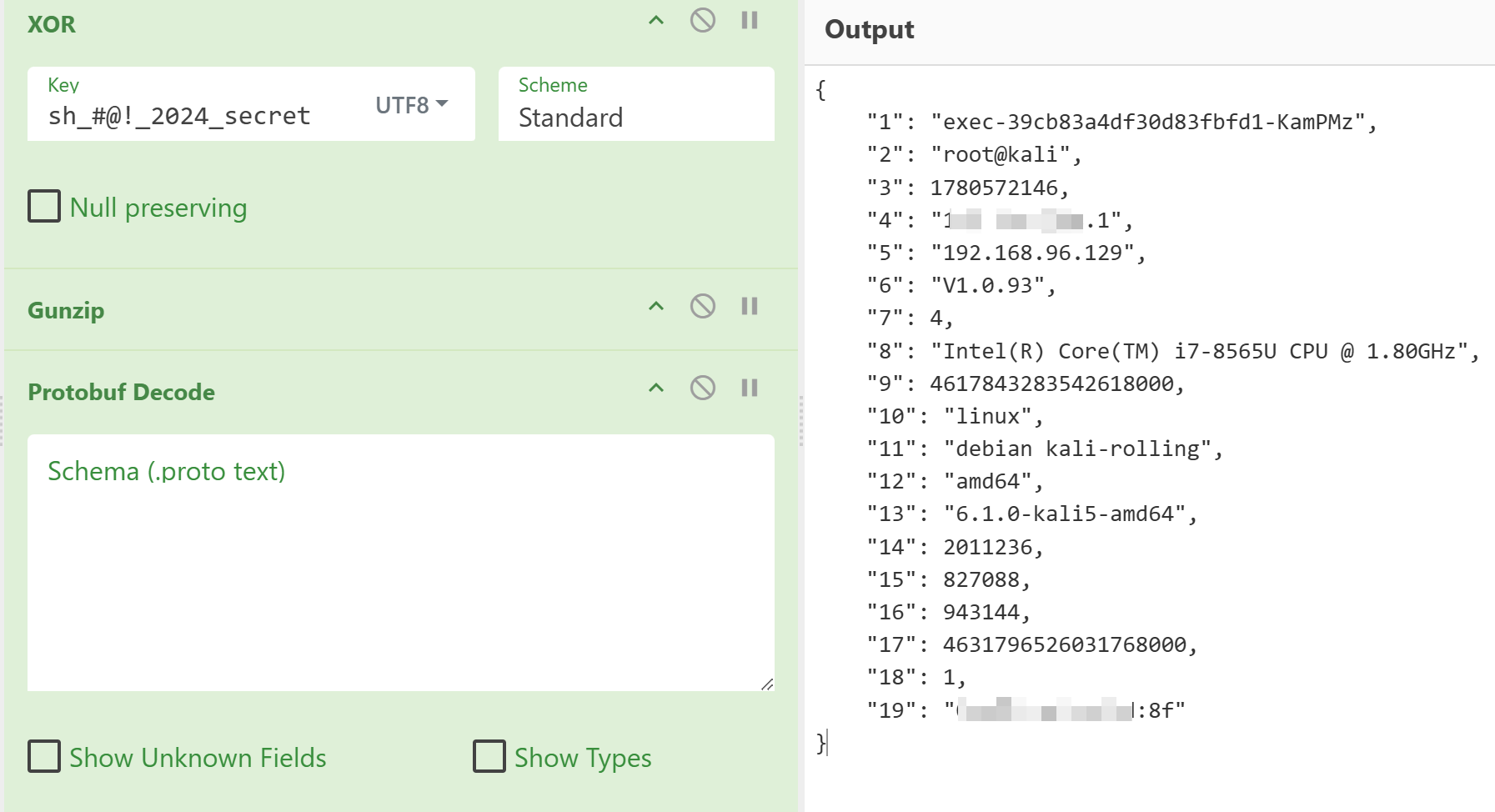
To evade traditional Deep Packet Inspection (DPI), AryStinger employs a clever communication stack. Data is serialized using Protocol Buffers (Protobuf), then subjected to layered compression and a simple XOR obfuscation routine using the hardcoded key: sh_#@!_2024_secret. This traffic is then tunneled over standard HTTP/HTTPS protocols, allowing the botnet’s heartbeat to blend in with legitimate web traffic.
One of the most potent features is the “ScriptWork” module. This allows operators to push raw source payloads directly to an executor for immediate deployment. While this provides unparalleled agility for the attacker, it creates a detectable footprint when interpreters or plaintext scripts are written to the device’s local storage.
Persistence and Lateral Movement
AryStinger isn’t just looking for a foothold; it’s looking for a permanent residence. The malware deploys lightweight backdoors to ensure continued access even after reboots:
- RTL819X Builds: Download and execute
dropbear(an SSH server) on a fixed port. - Standard (Go) Builds: Install
gs-netcator a customnat_tunnelbinary to facilitate seamless traffic proxying.
These tunneling components are critical for the attacker’s pivot strategy. By turning a compromised router into a transparent proxy, they can reach deep into an intranet, bypassing firewall rules that assume the edge device is a trusted entity. This effectively transforms a home or small business router into a “stepping stone” for larger espionage campaigns.
Threat Intelligence and Vulnerability Profile
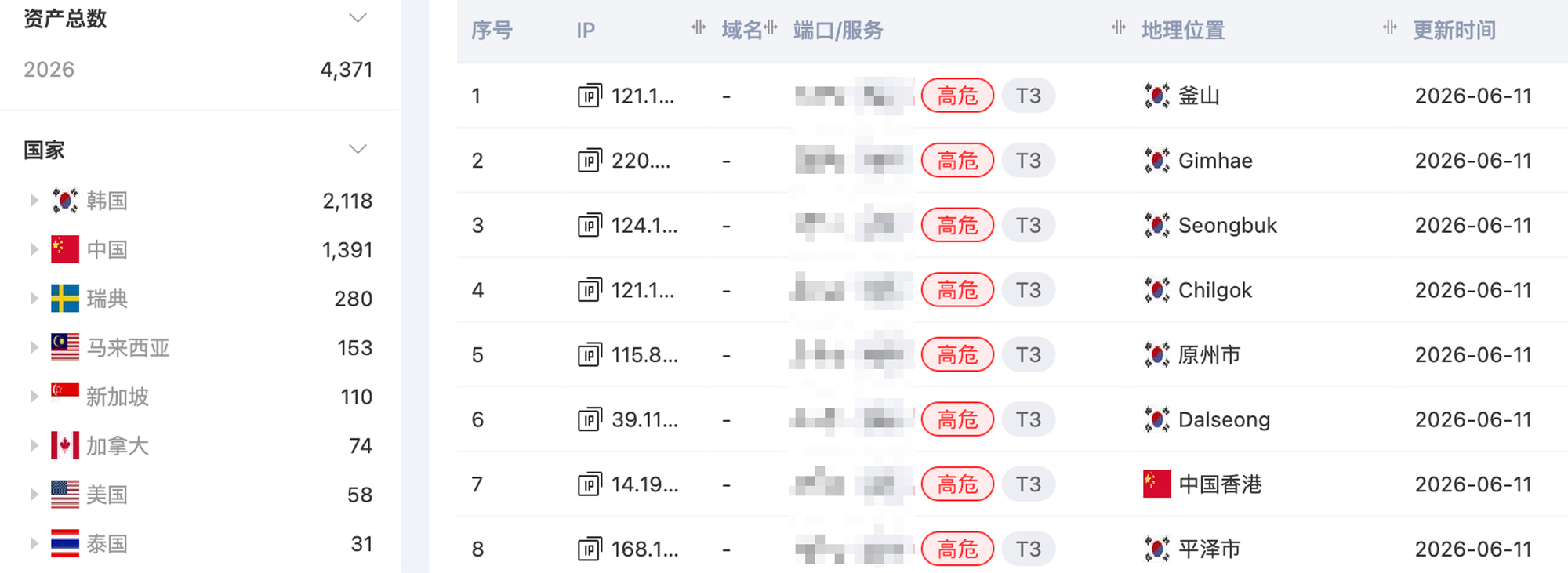
Telemetry from QiAnXin XLab reveals a massive infection scale, with over 4,300 RTL819X routers identified globally, with significant clusters in South Korea and China. The primary targets appear to be legacy D-Link models.
The botnet thrives on “vulnerability recycling”—the practice of using well-documented, years-old flaws against unpatched hardware. Notable CVEs exploited include:
- CVE-2013-3307 & CVE-2016-5681: Targeting legacy router firmware.
- CVE-2025-11837: Targeting specific NAS device vulnerabilities.
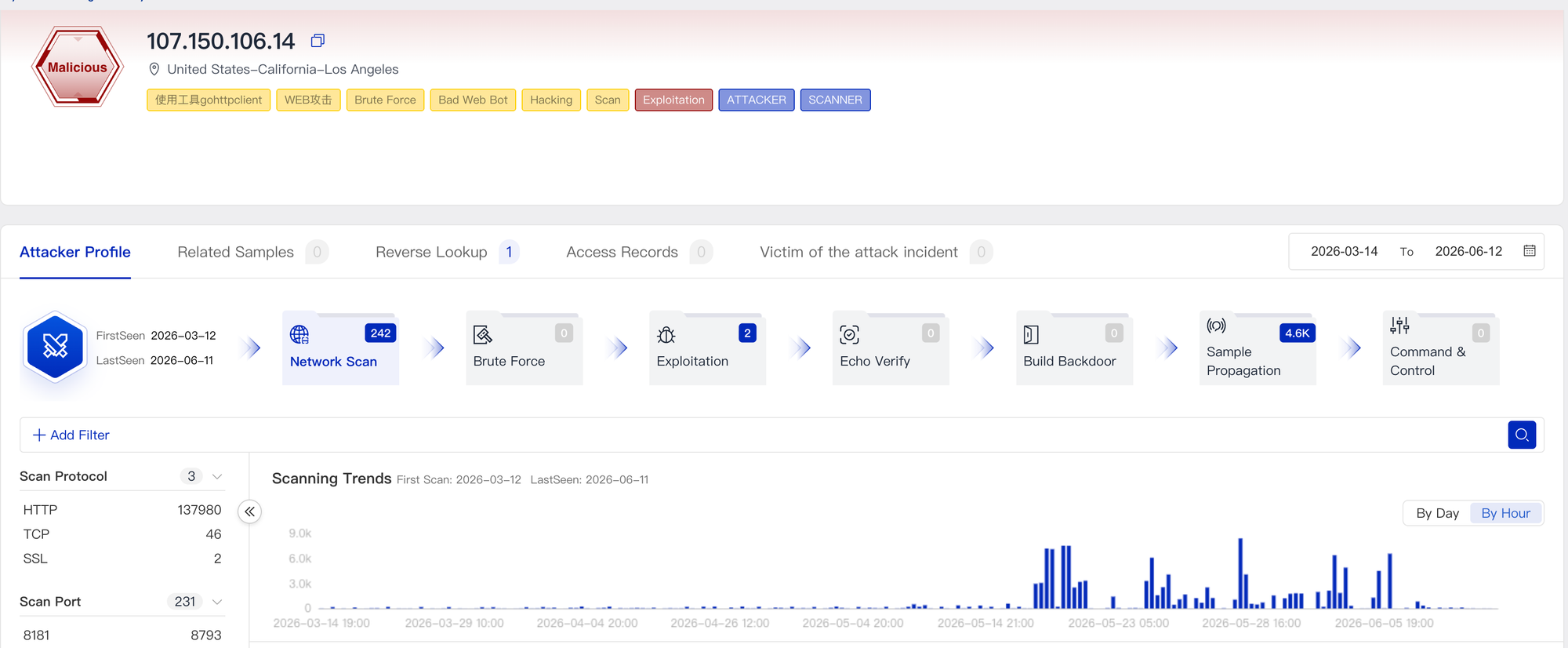
The threat model is multifaceted: Persistent Eavesdropping (sniffing unencrypted traffic), DNS Hijacking (manipulating gateway resolutions), and Operational Concealment (using the botnet as a proxy to hide the source of an attack).
Defensive Posture and Mitigation
Defending against AryStinger requires a proactive approach to lifecycle management. Because the botnet targets end-of-life (EoL) hardware, the most effective defense is physical replacement.
Immediate Recommendations:
- Decommission Legacy Hardware: If a router or NAS no longer receives security updates, it should be isolated or replaced immediately.
- Egress Filtering: Implement strict outbound firewall rules. Monitor for unusual HTTPS connections to the identified C2 domains:
dybic.ajb8.comandopi7.com. - Filesystem Auditing: On NAS devices, regularly scan directories like
/tmp/binfor unauthorized binaries or unexpected toolsets. - Network Segmentation: Ensure that edge devices (routers/gateways) are logically separated from critical internal assets to limit the impact of a successful pivot.