Deceptive Excel Lures: How Kimsuky APT Leverages LNK Files and Cloud Services to Target Life Sciences
In a sophisticated display of social engineering and technical evasion, North Korean state-backed actors are increasingly deploying weaponized, Excel-themed files to breach pharmaceutical and life science organizations. This campaign bypasses traditional security perimeters by abusing legitimate Windows components—specifically Windows Shortcut (.LNK) files and PowerShell—while utilizing mainstream cloud storage to mask data exfiltration.
The attack vector is highly surgical, utilizing tailored spear-phishing campaigns. Unlike generic spam, these emails are deep-contextualized, referencing niche industry topics such as Enterprise Resource Planning (ERP) specifications, production schedules, or proprietary research documentation. This high level of relevancy increases the probability that a busy professional in the drug manufacturing sector will interact with the attachment.
The payload typically arrives nestled within a compressed archive. Once extracted, the victim is presented with a file that visually mimics a spreadsheet—for example, “White Life Science ERP Specification.xlsx”—but is actually a malicious LNK file designed to trigger a hidden command sequence upon execution.
Security intelligence identifies this activity as the hallmark of the Kimsuky APT (also tracked as APT43 or Emerald Sleet), a group with a long-standing reputation for conducting high-stakes espionage against global healthcare and research entities.
The Attack Chain: From LNK Execution to PowerShell Obfuscation
The moment a user double-clicks the deceptive “Excel” file, the LNK file intercepts the action. Instead of launching the Microsoft Excel process, it silently invokes cmd.exe to initiate a heavily obfuscated PowerShell command. By utilizing the SysWOW64 binary, the attackers attempt to blend their malicious processes into the standard background noise of a Windows environment.
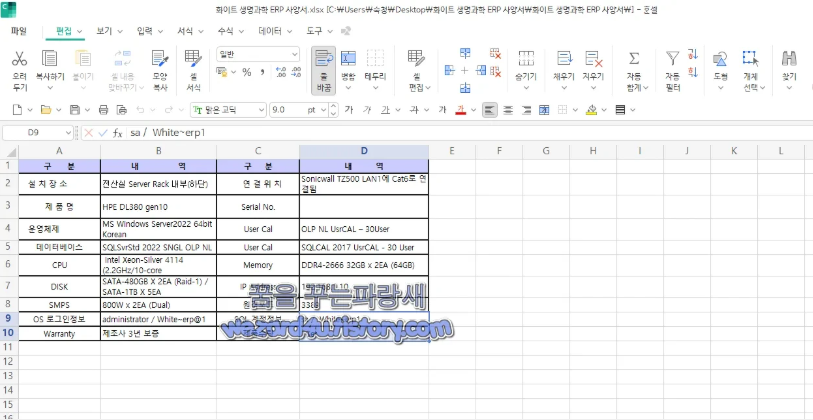
To evade static detection by antivirus engines, the command utilizes XOR-based obfuscation to decode secondary payloads in memory. To prevent user suspicion, the malware employs a “decoy” tactic: it simultaneously opens a legitimate-looking Excel workbook populated with plausible pharmaceutical or ERP data. While the user reviews the benign spreadsheet, the malware is busy performing reconnaissance.
The script then proceeds to harvest host system information and transit this data to Dropbox. Using a legitimate cloud service as a Command-and-Control (C2) channel allows the attackers to bypass many firewall rules that would otherwise flag suspicious traffic to unknown IP addresses.
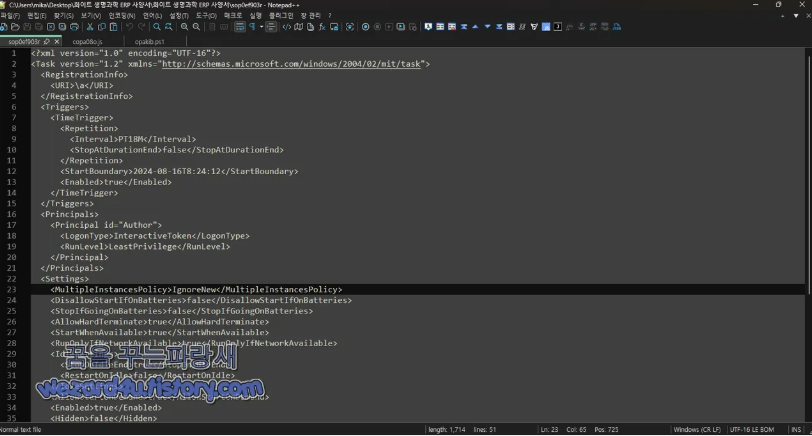
For long-term persistence, the attackers deploy JavaScript and scheduled tasks. By registering these tasks through schtasks and hiding them in system-like directories, the malware ensures it can survive reboots and continue its mission of exfiltrating intellectual property and credentials.
Strategic Focus: Protecting Intellectual Property
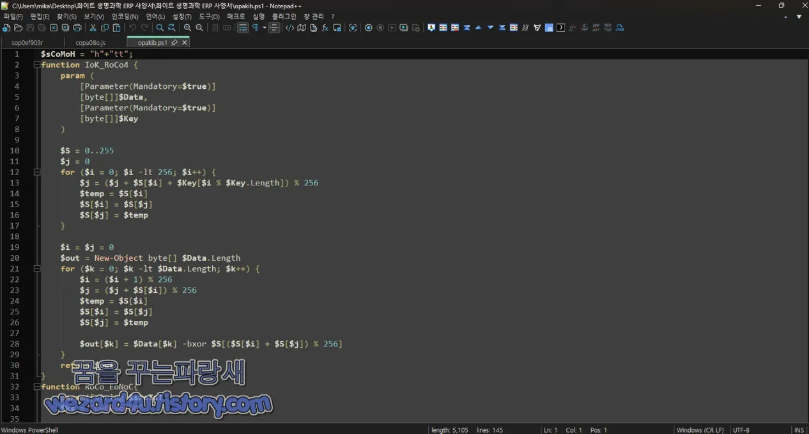
Kimsuky’s methodology revolves around “living-off-the-land”—using a target’s own administrative tools against them. A prime example is the use of PowerShell downloaders like “opakib.ps1”, which leverages the Dropbox API to receive instructions, effectively turning a productivity tool into a covert communication line.
The focus on the pharmaceutical sector is no coincidence. By targeting high-value drug and vaccine research, North Korean operators aim to secure strategic economic and scientific advantages. The evolution from traditional document exploits to the abuse of .LNK files demonstrates an adaptive threat landscape that requires proactive defense.
Defensive Recommendations for Security Teams
To mitigate the risk of a Kimsuky-style breach, organizations in the life sciences sector should implement the following technical controls:
- Email Gateway Hardening: Implement strict policies to block or quarantine incoming .LNK files and suspicious ZIP archives at the perimeter.
- Endpoint Visibility: Enforce the display of full file extensions for all users to prevent “double extension” or masquerading attacks. Monitor specifically for
powershell.exeorcmd.exebeing spawned as child processes of unexpected files. - Behavioral Analytics: Monitor for anomalous traffic to cloud storage providers (like Dropbox or Google Drive) from non-standard user accounts or automated processes.
- Persistence Monitoring: Audit scheduled tasks and newly created files in
%TEMP%or%APPDATA%directories for unauthorized entries. - User Awareness: Train research and operations staff to recognize the hallmarks of highly tailored spear-phishing, emphasizing that unexpected “specification” documents should be verified via a secondary communication channel.